By Ahmad Hathout
Canada’s largest telecoms are welcoming news that the federal government will invest in a national internet backbone.
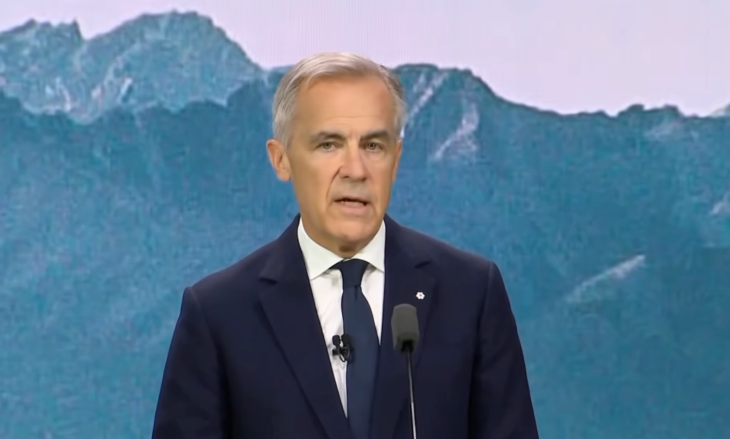
Prime Minister Mark Carney announced at the Canada Investment Summit in Toronto on Tuesday that the government will spend money from private investment, including in the country’s four largest airports, on “new nation-building infrastructure, including a sovereign broadband backbone” that connects Canadians across the country “with more direct and secure links to Europe and Asia.”
When reached for comment, Innovation, Science and Economic Development (ISED) only added Wednesday: “Further details regarding the initiative will be provided in due course.”
One of the pillars of the federal government’s national AI strategy, released this summer, is to build sovereign and resilient high-capacity fibre infrastructure to “support growing data traffic” and mitigate disruption. The CRTC said Wednesday that redundant networks should be subsidized by its Broadband Fund mechanism.
“As a proud Canadian company, we see a clear economic opportunity for Canada in building a sovereign digital fibre route,” Rogers President and CEO Tony Staffieri said in a statement.
Rogers said the country’s main nationwide sovereign fibre backbone, installed around 1999, consists of roughly 150 fibre strands, and it’s projected that segments of that route may begin to run out of capacity in the next 5 to 10 years. A new build, with the latest fibre technology, would be a boon for the country, whose governments and banks use the pipes for secure data transfer.
“A sovereign broadband backbone controlled by Canadians for Canadians is critical to ensure continued connectivity across the country and across the oceans,” a Bell spokesperson said in a statement. “Building the best networks is at the heart of what we do, and we will take a closer look at the project when further details are available.”
Telus’s President and CEO Victor Dodig added: “High-speed fibre is the foundation of Canada’s future competitiveness. TELUS strongly supports the Prime Minister’s initiative to strengthen Canada’s digital infrastructure, building on our long history of network investment to drive economic growth, foster innovation, and keep Canadians connected to the services and supports they need to thrive.
“Continued investment in national fibre architecture is essential to building an inclusive digital economy that empowers all Canadians and reinforces our country’s long-term prosperity. TELUS will collaborate with the federal government, the Major Projects Office, industry partners, and key stakeholders to ensure this national project is both technically resilient and economically viable. Together, we can build a world-class, sovereign network that delivers long-term value and secures Canada’s digital future.”
But Rogers said this will be a costly endeavor that could take years or decades to complete, adding regulatory decisions of the CRTC have reduced investment incentives. Those decisions include allowing the largest telecoms to use the wholesale internet framework.
“Digital infrastructure is the backbone of a competitive economy — to unlock this potential, we need a regulatory environment that encourages investment,” Staffieri said. “We look forward to continue driving this nation-building project to keep our governments, businesses and Canadians securely connected.”
The federal government said it expects investment incentives to reel in more than $1 trillion over five years.
Screenshot of Prime Minister Mark Carney at the Canada Investment Summit on Tuesday, via PM’s YouTube channel