Expects mandatory roaming and tower sharing to be feasible in all cases
By Ahmad Hathout
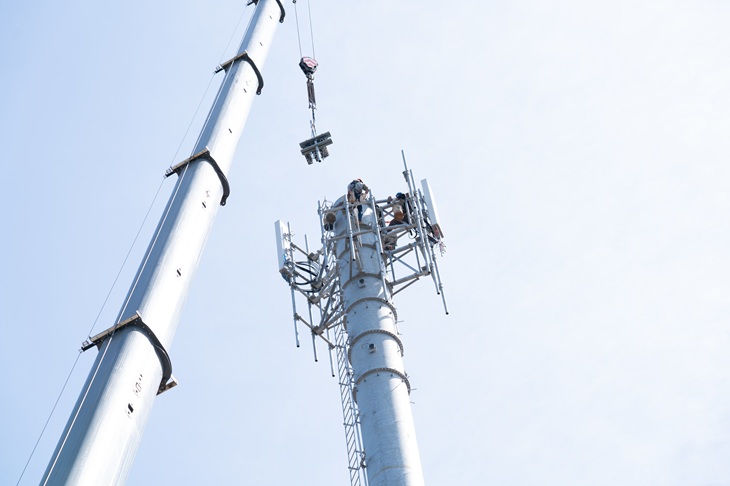
The department of Innovation, Science and Economic Development (ISED) has launched a consultation this week on a set of proposals to streamline the tower build process and updated the conditions of licence to find that mandatory roaming and tower sharing are technically feasible in all cases.
Through a consultation document released Monday, ISED is asking for comments about the following proposed measures: whether it should allow telecoms, tower owners and broadcasters to forego public consutlation and notification to a land use authority (LUA) if the proposed tower is less than 15 metres in height; if there should be another maximum height for that exclusion; whether tower proposal submitters should only be required to address concerns of those living within a radius of three times the height of the tower; whether it should remove the requirement to notify the community of the proposal via the local community newspaper; and whether it should replace paper notification packages with a more transparent and convenient online portal.
“With the changes discussed in this consultation, ISED expects that operators will see reduced costs associated with regulatory compliance and a more efficient environment in which to invest and expand networks while continuing to promote transparency, efficiency and service continuity,” the document said, noting the last substantial revision to the rules was back in 2007.
The department is also asking for comments about what gaps or opportunities exist for the deployment of small cell, which are mostly attached to buildings and street furniture, and about how it can enhance overall competition in the wireless sector.
Comments are due July 16.
ISED simultaneously removed language in the conditions of licence that mentioned technical feasibility when it comes to mandatory roaming and tower/site sharing. Now, roaming and tower/site sharing must be offered simply upon request.
“Given the wide range of Roaming Agreements currently in place, both domestically and internationally, across networks operating with a range of technologies, ISED does not anticipate that technical feasibility will be an impediment to roaming,” it said, noting the last amendment to the condition of service was in 2013. “Roaming remains essential for ubiquitous access, allowing licensees to offer Canada-wide service even in areas where they have not deployed their own networks.”
“When it comes to roaming and tower sharing, ISED expects operators to negotiate in such a manner that Canadians, particularly those in rural and remote areas, will not suddenly lose service that they have come to rely on due to contract disputes,” it added. “ISED also expects that operators will work together during disputes or negotiations and conduct themselves in a manner that shows a concern for the welfare of the customers involved.”
Recall that Telus challenged the CRTC’s April 2021 MVNO access decision in part because it mandated seamless roaming where it believed ISED had sole jurisdiction over the technical configurations to facilitate that. The telco lost that case.
ISED also said it will remove the research and development requirement from all terrestrial spectrum licences, which it initially mandated to “encourage innovation in the provision of telecommunications services.”
But things have changed since: “The telecommunications market has undergone significant growth and evolution since the R&D requirements were first introduced,” ISED said. “Telecommunications is now a mature market, and sustained investments in new technology advancements and efficiencies will be more important than ever in an increasingly competitive environment, regardless of government intervention. This reality is reflected in overall licensee investment rates in R&D related activities, which already regularly exceed the 2% investment minimum required under the current condition of licence.”
The department said it will also remove “burdensome, inefficient and redundant” annual reporting requirements from said licences considering it already requires licensees to report sufficient information every month.
The consultation and changes come after the federal government rolled out its red tape review across departments and agencies to “streamline inefficient or complicated processes, reduce burden associated with regulatory authorizations and address outdated requirements.”
Photo via Bell