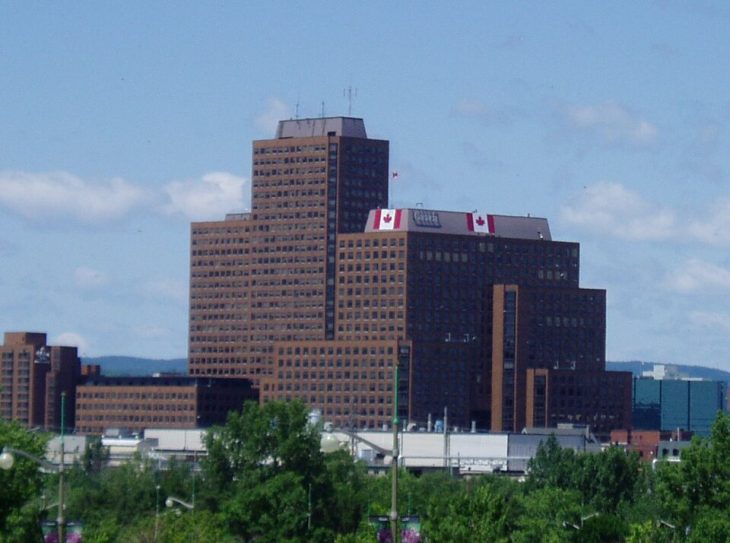
The CRTC on Monday announced its intention to establish a joint working group (JWG) to support and guide the co-development of an Indigenous Broadcasting Policy and issued a call for members.
The JWG’s mandate will be to support a collaborative co-development approach with First Nations, Inuit and Métis, including broadcasters, content creators and audiences from those groups, the CRTC said.
“In the Commission’s view, this JWG is essential to the co-development of a new policy, affirming its commitment to co-development made in Broadcasting Notice of Proceeding 2019-217 and in the Notice [Broadcasting Notice of Consultation 2024-67],” the CRTC said in its announcement Monday.
In carrying out its mandate, the JWG will foster a greater understanding of indigenous broadcasting needs across traditional and digital platforms, ensure the policy is informed by indigenous knowledge systems, guiding principles and protocols, and analyze the information placed on the proceeding’s public record and develop recommendations for each area of the draft policy, the CRTC said.
The JWG’s work will conclude with the submission of a consensus-based report on a proposed Indigenous Broadcasting Policy, and this report will be published for public comment and will help inform CRTC staff in finalizing the draft policy for the commission’s consideration.
The CRTC said participation in the JWG would require a commitment of 30 days of work over a maximum period of two years. Depending on the number of applicants who submit expressions of interest in becoming a member, the JWG is expected to consist of five to seven indigenous representatives and up to three CRTC staff members.
The commission said the composition of the JWG will seek balanced representation across: First Nations, Inuit and Métis; youth, Elders, women, men, 2SLGBTQI+ persons and persons with disabilities; broadcasters, content creators, artists and industry representatives; regional perspectives (North, South, East and West); and indigenous languages and cultural expertise.
Expressions of interest to participate in the JWG will be accepted by the CRTC until Jan. 26, 2027.
The call for working group participants is a follow-up to the CRTC’s March 2024 notice of consultation in which the commission sought feedback from indigenous broadcasters, content creators and audiences regarding their broadcasting needs.
In that notice, the CRTC had said funding may be available for indigenous community-organized engagement sessions that allowed participants from multiple geographic areas to share their views and discuss ideas relating to the co-development of an indigenous broadcasting policy.
On Monday, the CRTC confirmed the availability of funding for community-led engagement (CLE) events, saying “capacity-building funding would help ensure that a balanced representation of Indigenous Peoples located in various geographic areas are able to participate in the development of a policy that directly affects them.”
To be eligible for CLE event funding, communities and groups must formally express their intent to host an event before the event is held, as a mandatory first step for funding eligibility, the CRTC said. Communities and groups wishing to host a CLE event must notify the Centre for Indigenous Environmental Resources (CIER), the external indigenous supplier contracted to manage the CLE events, of their intent by no later than Nov. 27, 2026.
Hosts of CLE events may be reimbursed for CLE event-related expenses made up front. Examples of eligible expenses may include pre-event planning, venue rental and related expenses, travel and translations.
“To qualify for a reimbursement of an eligible CLE event expense, communities or groups that notify the CIER by the above-noted deadline must submit an intervention report of the discussion that took place at the event to the CIER, by no later than 30 March 2027,” the CRTC said.
Intervention reports from CLE events will be added to the public record of the proceeding as they become available. The public will have a chance to comment on those reports at a later date, the CRTC said.