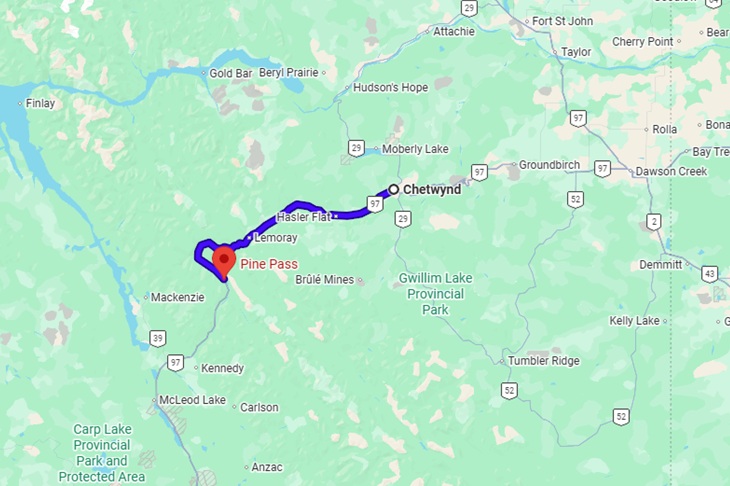
Rogers last week announced it has expanded 5G wireless service along a remote stretch of British Columbia’s Highway 97 from Pine Pass to Chetwynd — a project it originally announced in May 2021.
The project is delivering almost 70 kilometres of new wireless coverage along the highway corridor, which previously had connectivity gaps that made it difficult for drivers to call for help during a breakdown or stay informed during emergencies such as wildfires or severe winter weather, Rogers said in a press release.
“This new 5G service will help keep travellers safe and connected along this stretch of Highway 97,” said Mark Kennedy, chief technology officer at Rogers, in the company’s press release.
The Highway 97 network expansion project was partially funded through the B.C. government’s Connecting British Columbia program.
“The completion of this project reflects collaboration between the Province and Rogers through provincial connectivity programs — turning public investment into tangible safety and connectivity benefits for northern communities and everyone who relies on this corridor,” said Diana Gibson, B.C.’s minister of citizens’ services, in a statement.
“This particular section of highway is subject to rapidly-changing weather in the winter and welcomes many international tourists in the summer as they travel on to Mile 0 of the Alaska Highway in Dawson Creek,” said Ben Campbell, CEO of B.C.’s Northern Development Initiative Trust. “Improved cellular service along the route provides increased access to critical information during emergencies while also allowing people to stay in contact with family and friends during their travels.”
In 2023, Rogers turned on new 5G service on B.C.’s Highway 95 between Golden and Spillimacheen, another project announced in May 2021.
Rogers said this expanded 5G coverage complements its Rogers Satellite coverage, which helps customers stay connected in places that traditional cellular networks don’t reach.