By Ahmad Hathout
The CRTC has launched Wednesday the next phase of its Broadband Fund review, which now looks to establish an indigenous-specific funding stream.
“The Indigenous stream will provide a tailored process to access broadband funding that aims to reduce barriers for Indigenous applicants with the goal of helping to close the connectivity gap for Indigenous communities,” the CRTC said in the consultation document.
Since January 2024, the CRTC said it has received feedback and learned of complex application processes, prolonged evaluation and approval timelines, complex financial regulations, including onerous reporting requirements and an inability to request funding for operational costs, which is a matter already on the Broadband Fund review agenda.
In December 2024, the commission announced that it was reducing the amount of information required of applicants at all stages of the process and making funding distribution and claims reporting processes easier by consolidating recipient reports into one.
Now, the CRTC wants to know how much further it should reduce those barriers and whether it should make additional costs eligible for the indigenous class of applicants.
The consultation outlines a series of questions for comment about this particular stream. The commission seeks to further define what makes an applicant indigenous, how to certify them, and whether a consortium project should be eligible if only one member of the partnership is indigenous.
The CRTC also wants to know whether it should further tailor to this stream recently implemented improvements for indigenous applicants. The most recent improvements from December 2024 included providing up to 15 per cent – up to a maximum of $750,000 – of the funding following a final decision; exempting indigenous funding recipients from a 10 per cent withholding rule for projects with approved funding of $5 million or less, which was used as leverage to ensure that the projects meet all conditions of service; exempting them from open access to their transport networks; and providing funding for up to two years of technical training for local indigenous staff.
And it wants to know how to evaluate applicants, including whether it should modify approaches to outreach, engagement and consent with local communities, as well as how it should determine geographic eligibility, such as what sources of data it should use in the assessment of whether an indigenous community is underserved and eligible for funding.
Comments are due on September 18.
“While progress has been made to improve connectivity across Canada, Indigenous communities continue to be disproportionately affected by a lack of availability of high-speed connectivity,” the consultation document said, noting that the CRTC has selected 70 projects to receive funding to help deliver internet and cell services to over 320 communities, representing over 56,000 households.
The CRTC launched its initial proceeding to broaden the scope of the fund in March 2023.
It also outlined its strategic plan in February that puts a focus on reducing administrative burdens, streamlining processes and helping connect rural, remote and indigenous communities by “helping fund infrastructure, making funding more accessible for Indigenous-owned telecommunications companies, and developing a subsidy to help make Internet services more affordable in remote communities.”
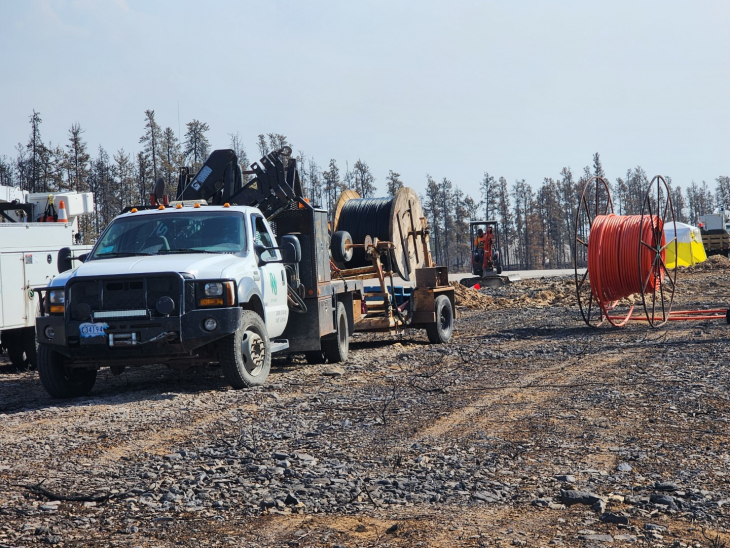
Photo via Northwestel